
Event production is where the event plan becomes a live show. The stage has to work for the speakers, the audio has to reach the room clearly, screens need the right content at the right moment, lighting has to support both the audience and cameras, and every technical cue has to follow the programme.
PIXO Events Asia provides event production in Singapore for corporate events, conferences and hybrid programmes. We coordinate stage, AV, sound, lighting, screens, presentation playback, cameras, livestreaming, rehearsals and live technical delivery around the event plan — so production is not treated as a separate supplier task.
Whether PIXO is managing the wider event or supporting an existing organising team, the production scope is built around the venue, audience, programme and content requirements.
Event production covers the technical and physical systems that make a live programme work. Depending on the event, that can include stage requirements, sound, microphones, lighting, screens, cameras, presentation playback, video inserts, livestreaming, graphics, rehearsals and live cueing.
The job is not simply to place equipment in a room. Each production element has to support what is happening on stage and what the audience needs to see and hear.
A strong production plan connects:
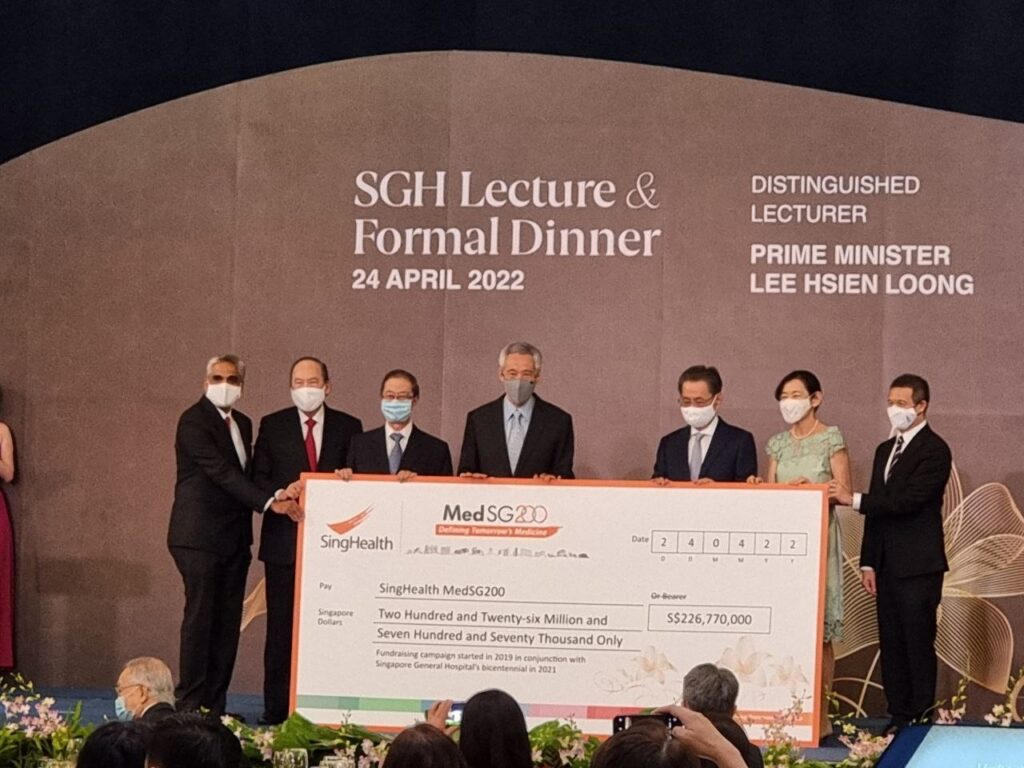
Event management and event production overlap, but they are not the same job.
Event management focuses on the wider event: objectives, budget, venue, suppliers, registration, guest experience, programme planning, logistics and stakeholder coordination.
Event production focuses on how the programme is delivered technically: stage, sound, lighting, screens, content playback, cameras, livestream, rehearsals and live cues.
PIXO can support both. When the same project includes event management and production, the benefit is not simply convenience — it means the programme, creative, venue and technical plan can be developed together instead of being handed from one supplier to another at the last minute.
A production plan should start with the event, not with a standard equipment package.
Before deciding what the technical setup needs, we look at questions such as:
Those answers shape the stage, AV, content and crew requirements. The production system should fit the event rather than forcing the event into a pre-built package.
01
Technical planning translates the programme into production requirements. The process can include venue review, stage and screen needs, audio, lighting, camera coverage, presentation playback, livestream requirements, content formats, rehearsal timing and live technical responsibilities.
Where PIXO is working alongside an internal team, agency or venue, roles and handoffs are defined early so production decisions are not duplicated or missed.
The stage has to support the people and content using it. A keynote, panel discussion, award presentation and product reveal can all require different stage layouts, screen positions, microphone plans and speaker movement.
PIXO can coordinate stage requirements and event visuals with the wider programme and creative direction. Where physical scenic or structural elements are required, the scope should be confirmed according to the venue and project requirements rather than assumed as a standard package.
02
03
Clear audio is one of the most important parts of live production. The audience needs to hear speakers naturally, panel discussions need appropriate microphone coverage, videos and walk-on music must play at the correct level, and remote or livestream audiences may need a separate clean programme feed.
Depending on the event, PIXO’s production scope can include microphone planning, presentation and video audio, audio mixing, playback and coordination between venue and livestream requirements.
Event lighting has more than one job. It can make speakers clearly visible, support the mood of an event, highlight key moments and ensure camera images remain usable for recording or livestreaming.
Lighting requirements should therefore be developed alongside the stage plan, venue conditions, camera coverage and programme rather than treated as decoration added after the room is designed.
04
05
Screens carry much of the event’s information: presentation slides, speaker names, videos, award graphics, holding slides, branding and other visual content.
PIXO can coordinate screen and playback requirements with presentation files, video content and event graphics so technical formats and creative assets are aligned before the show.
This is particularly important when the event includes multiple presentation sources, videos, branded overlays or livestream outputs.
Camera coverage should follow the programme. A keynote may need a strong speaker shot; a panel needs coverage that makes each contributor easy to follow; an awards segment may require stage and recipient coverage; audience Q&A may need a different approach.
PIXO’s production capabilities include camera coverage and live switching for livestream, hybrid and recorded event formats. The camera plan is developed around what the audience needs to see rather than simply placing cameras in the room.
06
07
When the event includes a remote audience, the production plan also has to serve people who are not in the venue. Stage audio, cameras, presentation content, graphics and remote speakers need to come together in a usable stream.
PIXO provides livestream and hybrid production support, including camera feeds, live switching, audio mixing, presentation playback, branded graphics and technical monitoring. For events where the remote audience experience is a major part of the brief, our dedicated Hybrid Event Management service covers the wider two-audience planning model.
The run-of-show is where programme timing becomes technical instruction. Speaker entrances, lighting changes, presentation cues, video rolls, audio stings, award moments and livestream transitions need to happen at the correct point.
PIXO can coordinate live cueing and technical delivery against the agreed run-of-show so the production team, event team and speakers are working from the same sequence.
08
09
Rehearsal is where potential production problems become visible before the audience sees them. Critical moments can include speaker microphones, presentation files, videos, camera framing, remote speakers, stage movement, lighting states and cue sequences.
The level of rehearsal depends on the event, but high-risk transitions and technical handoffs should be tested before doors open.
Every venue has different infrastructure, access rules and technical constraints. Production planning may need to consider built-in AV, power, screens, loading access, rigging restrictions, setup windows, internet, ceiling height, control positions and the venue’s approved-contractor requirements.
PIXO coordinates the agreed production plan with the venue so technical decisions are based on what the space can actually support.
10
11
Production day begins before the audience arrives. Equipment delivery, setup, testing, content loading, sound checks, camera checks and rehearsals all have to fit within the venue schedule.
During the event, the production team monitors the agreed technical workstreams and responds to changes against the live programme. After the event, teardown and handback are coordinated within the venue’s requirements.
Conferences and business summits can involve multiple speakers, presentations, panels, videos, stage sessions and hybrid elements. PIXO can support stage, AV, screens, cameras, livestreaming, presentation playback and technical rehearsals alongside the wider conference plan.
For full conference management, including delegates, committees, sponsors, abstracts or secretariat requirements, our Professional Conference Organiser service covers the broader event lifecycle.
Town halls, annual dinners, leadership events, awards and client programmes all use production differently. A town hall may prioritise speech clarity, screens and Q&A; an awards event may need stronger show flow, music, visuals and cueing; a client event may place greater emphasis on brand presentation and content.
Production is scoped around the event format rather than applying one technical setup to every corporate event.
Product and brand events may require carefully timed presentations, video, stage reveals, branded visuals, lighting and camera coverage. The production plan should support the product story and the audience journey without making technology the focus of the event.
For hybrid events, the physical stage and remote audience are connected through cameras, audio, streaming, graphics, remote-speaker feeds and technical monitoring. Where the entire event is remote-first, our Virtual Event service provides the wider online-event management framework.
A well-designed stage can still fail if the presentation files do not fit the screens. A strong video can lose impact if the playback format is wrong. Branded graphics can look inconsistent if they are designed without understanding the live production environment.
PIXO’s creative and production capabilities can work within the same planning process so stage graphics, presentation templates, videos, lower thirds, branded screens and other content are developed with the technical delivery in mind.
That reduces the gap between what is approved creatively and what can actually be shown reliably during the event.
We review the event format, audience, venue, programme, speakers, content, livestream needs and technical constraints.
Stage, sound, lighting, screens, cameras, playback, streaming and crew requirements are mapped against the programme and venue.
Presentation formats, videos, graphics, speaker inputs and other media are aligned with the production plan so content is ready for the technical environment.
Setup windows, venue access, technical checks, run-of-show cues, operator responsibilities and escalation routes are confirmed.
Speakers, presentations, videos, microphones, camera shots, remote contributors and important transitions are tested according to the event's risk and complexity.
During the event, production follows the agreed run-of-show while technical teams monitor sound, visuals, cameras, livestream and other live workstreams.
After the event, teardown, venue handback, agreed recordings, media and production close-out are coordinated according to the project scope.
Technical production is stronger when it understands the event around it. PIXO’s event-management and conference experience helps stage, AV, content and live technical delivery stay connected to the programme, venue and audience.
Our in-house creative capability can work alongside production requirements so visual content is designed with screens, playback and the live environment in mind.
PIXO’s existing virtual and hybrid capabilities include camera crews, live switching, audio mixing, graphics, presentation playback and livestream technical support — useful when physical-event production needs to extend beyond the room.
We prefer to resolve technical dependencies before the event begins. Rehearsals, content checks and clear live responsibilities help reduce avoidable production surprises.
PIXO’s wider work spans corporate events, conferences, exhibitions, virtual events and hybrid delivery. That cross-format experience helps production planning respond to the event rather than treating every brief as the same technical package.
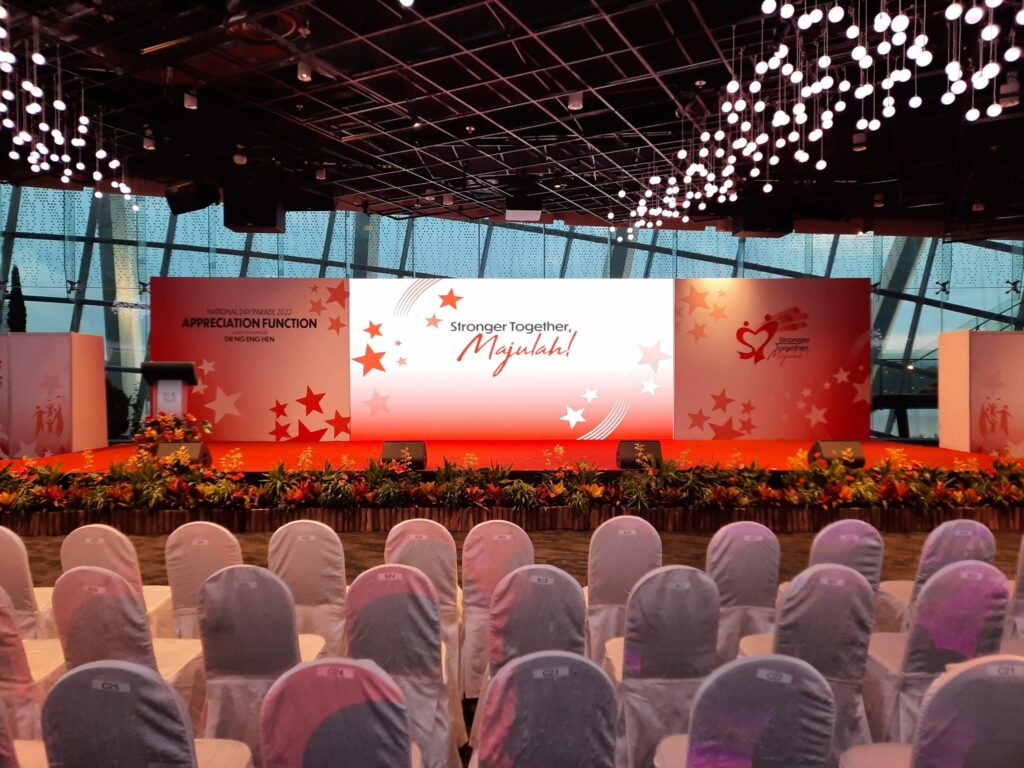
PIXO’s public portfolio includes corporate and institutional events such as the NTU Job Fair, Republic Polytechnic Graduation, NDP Appreciation Function, CMA CGM’s The Great Gatsby Dinner & Dance and a Crédit Agricole Group event.
These examples demonstrate the range of live-event environments our team has worked within. Where the exact technical production scope of a named event is not publicly documented, we do not use that project to claim specific stage, AV, lighting or livestream responsibilities.
Production-specific case studies should be added as soon as exact event scope, technical responsibilities and approved visuals are available.
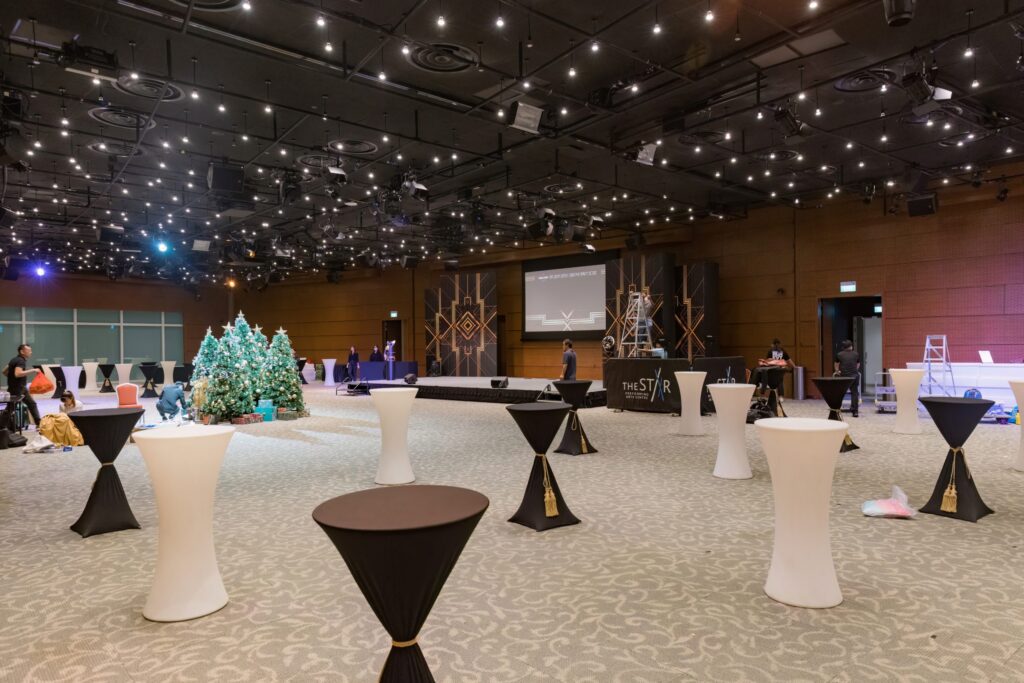
Event-production cost depends on what the programme requires and what the venue already provides. A presentation-led business meeting and a multi-camera conference or awards show can have very different technical scopes.
Common cost drivers include:
A useful production quote starts with the event programme, venue status, expected audience, stage requirements, presentation and video needs, livestream requirements and the time available for setup and rehearsal.
An event production company plans and coordinates the technical systems required to deliver a live event. Depending on the brief, this can include stage, sound, lighting, screens, cameras, content playback, livestreaming, technical rehearsals, live cueing and onsite technical support.
Event management covers the wider planning and operation of the event, including venue, suppliers, registration, logistics and guest experience. Event production focuses on how the programme is delivered technically through stage, AV, sound, lighting, visuals, cameras and live show control.
Yes. PIXO's publicly stated capabilities include AV production support across physical, virtual and hybrid event formats. The exact technical scope is defined according to the venue, programme and event requirements.
Yes. PIXO's event and conference production capabilities include stage, sound and lighting support. The required configuration is scoped around the venue, audience, programme and production needs.
PIXO can coordinate screen and visual-display requirements as part of the production plan. The exact display system and supply arrangement depends on the venue and event scope; the page does not imply that PIXO owns every screen or LED system used on a project.
Yes. PIXO supports camera coverage, livestreaming, live switching, audio mixing and recording within appropriate event-production scopes. Requirements should be confirmed before the event so camera, audio, graphics and content workflows are planned correctly.
Yes. PIXO can support technical production for conferences, including stage, sound, lighting, screens, presentation playback, cameras, livestreaming and rehearsals. Where the event also requires delegate, sponsor, abstract, programme or secretariat management, our Professional Conference Organiser service covers the wider conference scope.
Yes, where the project scope is suitable. Production responsibilities, decision routes and handoffs should be agreed early so the event-management and technical teams are working from the same programme and deadlines.
For events with multiple speakers, videos, complex presentations, cameras, livestreaming, remote speakers or important cue sequences, a technical rehearsal is strongly recommended. The exact rehearsal scope depends on the complexity and risk of the programme.
Cost depends on the venue, stage, sound, lighting, screens, cameras, livestreaming, crew, setup, rehearsal time and other technical requirements. PIXO prepares a project-specific production scope rather than applying one generic package to every event.
If your event needs stage, AV, sound, lighting, screens, cameras, livestreaming or live technical coordination, PIXO can help turn the programme into a practical production plan.
Share your event format, venue status, expected attendance, programme, speaker setup, presentation and video requirements, livestream needs and preferred date. Our team can help define the technical scope around what the event actually needs.