
A conference is not one event-day checklist. It is a chain of connected workstreams — programme, speakers, delegates, sponsors, exhibitors, venue, production and communications — that all need to reach readiness at the same time.
This conference planning checklist is designed for organisations planning conferences in Singapore, from smaller business conferences to multi-track association, professional and hybrid events. Use it to assign ownership, work backwards from the event date and identify the dependencies that can create problems later if they are left unresolved.
The most useful way to plan is not by collecting hundreds of disconnected tasks. It is to move the conference through eight clear phases: DEFINE, SECURE, PROGRAMME, COMMERCIALISE, PREPARE, TEST, DELIVER and REVIEW.
A general corporate event may revolve around a single programme, one main audience and a relatively simple supplier structure. Conferences often have more layers.
You may be managing an organising committee, programme owners, speakers, moderators, delegates, sponsors, exhibitors, breakout rooms, registrations, abstract submissions, accommodation, livestreaming and multiple suppliers at the same time.
The main planning challenge is therefore dependency management. A speaker deadline affects the agenda. The agenda affects room allocation. Room allocation affects AV. Registration numbers affect catering and room sets. Sponsor commitments affect signage, exhibition space and delegate communications.
Good conference planning keeps those relationships visible so one late decision does not quietly create five new problems.
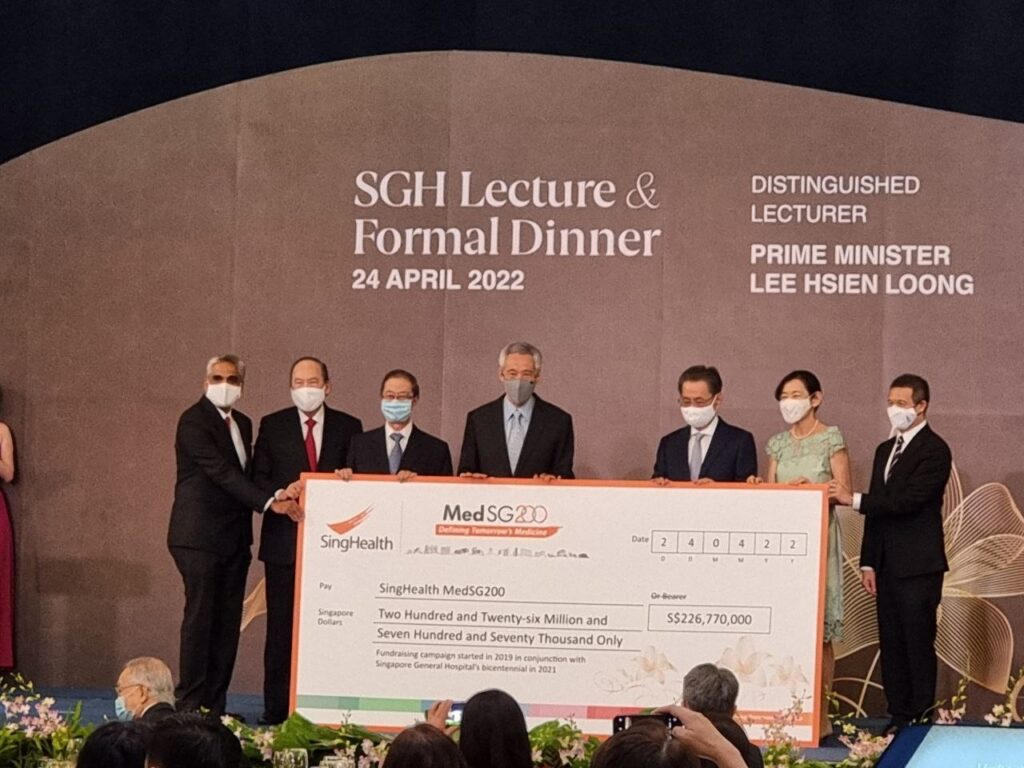
Use these eight phases as the backbone of the conference plan:
confirm objectives, audience, governance, budget and ownership.
commit the date, venue and major suppliers.
build the conference content, speakers and submission workflow.
launch registration, sponsorship and exhibition.
turn plans into delegate, room, logistics and production details.
rehearse presentations, AV, hybrid systems and critical handoffs.
manage registration, rooms, speakers, delegates and live operations.
close finances, fulfil reporting, gather feedback and improve the next edition.
A smaller single-day conference may move through these phases quickly. A larger international or scientific conference may need a much longer cycle. The sequence is more important than forcing every event into the same calendar.
Start by agreeing what the conference needs to achieve. Possible objectives include education, professional development, knowledge exchange, stakeholder alignment, member engagement, lead generation, policy discussion or industry networking.
Write the objective in a form that can guide later decisions. ‘Run a successful conference’ is not specific enough to tell you what the programme, venue or delegate experience should prioritise.
Identify who the conference is for and whether different delegate categories need different journeys.
Potential groups can include:
These categories can affect pricing, registration, badges, communications, access permissions, catering and reporting.
A conference becomes difficult when responsibility is shared but ownership is unclear.
Confirm:
Record responsibilities in the project plan so each workstream has a decision owner, not just a list of people copied into emails.
Conference budgeting may include both expenses and income.
Typical expenses can include venue, catering, production, registration systems, speakers, travel, accommodation support, marketing, staffing, signage and printing.
Possible income sources can include delegate registration, sponsorship, exhibition, grants or other approved funding.
Track committed, forecast and actual values separately. Where revenue is part of the model, review registration, sponsorship and exhibition performance against the break-even or budget target throughout the planning cycle.
Check the proposed date against organisational calendars, speaker availability, major industry events, public holidays and any practical constraints that could affect travel or attendance.
For recurring conferences, also review what worked or failed in the previous edition before repeating the same timing assumptions.
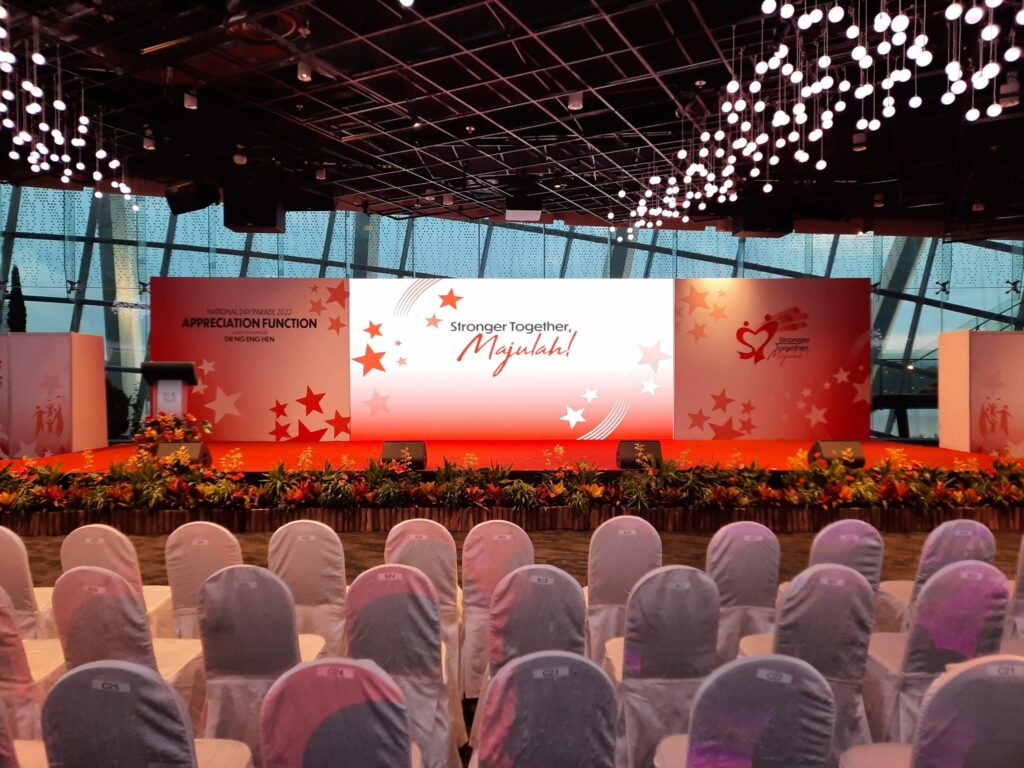
Do not evaluate only the plenary room. A conference venue may also need:
Test the real room layouts, delegate flow, production requirements and setup windows before contracting. For a deeper venue-selection framework, use our guide on How to Choose an Event Venue in Singapore.
Identify suppliers whose availability affects the whole conference, such as production, registration technology, exhibition build, interpretation, livestreaming or other specialist services.
Do not wait until every programme detail is final before reserving critical capacity. Instead, define the likely scope, confirm flexibility and create decision deadlines for the remaining details.
Start with the shape of the conference before filling every session slot. Decide the balance between plenaries, keynotes, panels, workshops, parallel sessions, networking, sponsor sessions, poster sessions and breaks.
The programme should reflect what delegates need to learn or achieve, not simply how many speakers are available.
Keep the detailed questions of pacing, session length, transitions and audience energy for the programme-design workstream. The checklist-level goal is to lock the overall architecture early enough for speakers, rooms and production to follow.
Speaker management can include:
Create one speaker tracker with status, deadlines, contacts and outstanding requirements rather than storing critical details across individual email threads.
Scientific, academic and medical conferences may include an abstract or submission process. This does not apply to every conference.
The administrative workflow can include:
The PCO or secretariat can administer the workflow, but scientific or technical judgement should remain with the authorised committee unless the project scope explicitly says otherwise.
Conference registration is more than opening a form. Decide the attendee categories, fees, deadlines, policies and data required before configuring the registration journey.
Possible considerations include:
Create sponsorship packages around real value rather than a long list of logo placements.
Track each sponsor from sale through fulfilment:
A sponsor benefit should have an owner and a fulfilment status. Selling the benefit once can create many delivery tasks later.
If the conference includes an exhibition, plan it as a delegate experience and an operational workstream.
Consider:
For exhibition-specific planning, link the conference workstream to the wider Exhibition Management scope rather than duplicating every exhibition detail here.
Registration is the system; the delegate journey is the complete experience.
Map:
Use the journey to identify where delegates need information, signage, staff or support.
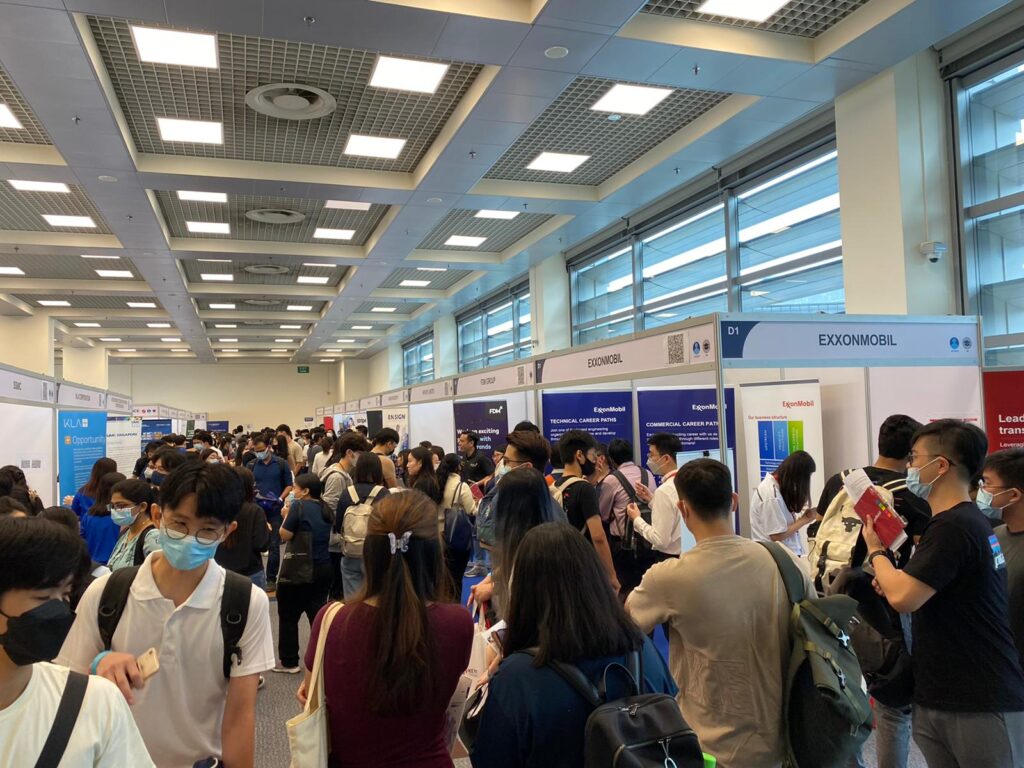
For regional or international conferences, consider whether the project needs official hotels, room blocks, booking deadlines, airport information, shuttle arrangements, VIP transfers or travel guidance.
Not every conference needs organiser-managed transport or accommodation, so define the service level based on delegate profile and location.
Multi-track conferences need more than one master run-of-show. Each active room needs a clear plan.
For every room, confirm:
A conference can run smoothly in plenary and still fail operationally when multiple breakout rooms start at the same time. Room-level readiness matters.
Conference production may include stage, sound, lighting, presentation playback, screens, cameras, recording and livestreaming across the plenary and breakout spaces.
Confirm:
For deeper technical planning, use the Event Production service rather than expanding the conference checklist into an equipment guide.
Conference communications usually need several phases:
Keep one source of truth for programme, venue and delegate information so updates do not conflict across email, website, app or printed materials.
In the final planning stage, move from ‘planned’ to ‘ready’. Review every critical workstream and classify it as Ready, Needs a Confirmed Fix or At Risk.
Review:
Do not discover presentation problems while the previous speaker is walking off stage.
Where appropriate, confirm presentation collection, file naming, version control, videos, fonts, embedded media, clickers, confidence monitors and who can make last-minute changes.
For larger conferences, a speaker-ready workflow can reduce last-minute presentation problems across multiple rooms.
Prioritise the moments where one team hands control to another:
Not every session needs a full rehearsal. The most important or complex sequences do.
Identify what the team will do if a critical speaker is delayed, presentation fails, room overfills, remote speaker disconnects, catering is late or a programme change occurs.
The purpose of contingency planning is not to predict every problem. It is to make sure the team knows who decides, who communicates and what the fallback route is.
On conference day, the team should know who owns each live workstream.
Typical leads may include:
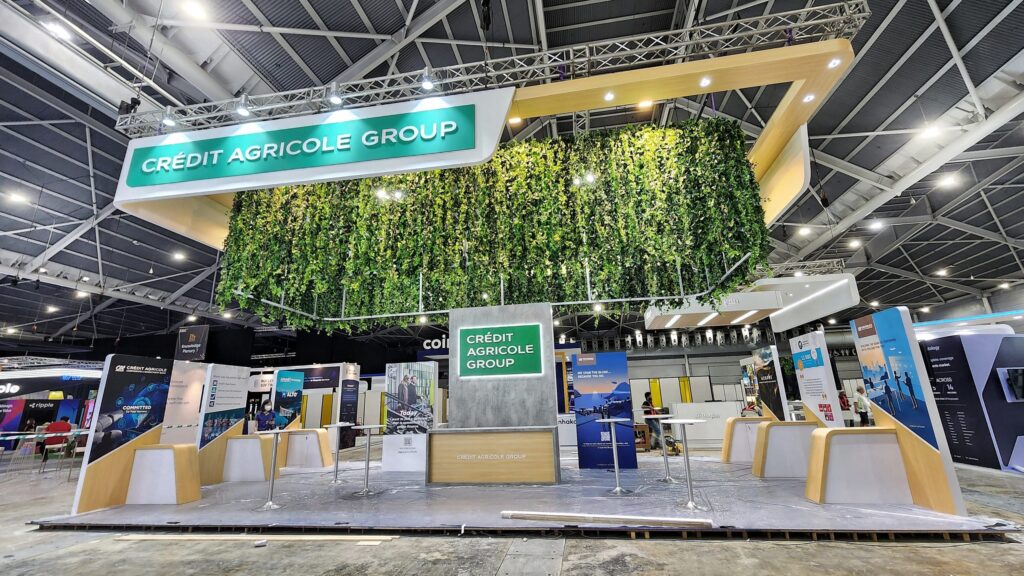
Before doors open, test the check-in workflow, badge issue process, support desk and queue plan.
Have a route for exceptions such as missing registrations, payment questions, badge corrections, VIP arrivals or accessibility support so those issues do not block the main queue.
For each session, confirm the speaker or moderator has arrived, the latest presentation is loaded, microphone requirements are known and the room team understands the session format.
Multi-track events benefit from a central view of all rooms so delays or programme changes can be coordinated rather than discovered separately.
Check that agreed sponsor and exhibitor benefits are actually visible and working. Monitor traffic during breaks, catering queues, exhibition engagement, signage and room movement.
If delegate behaviour differs from the plan, make practical adjustments where possible instead of waiting until the post-event debrief.
Reconcile final venue, production, catering, registration, travel, exhibition and other supplier costs against the budget. Record approved variations and resolve outstanding invoices or credits.
Confirm contracted benefits were delivered and collect any agreed reporting, attendance information, photos or post-event materials required for sponsor / exhibitor close-out.
Possible post-conference information can include:
Run a structured debrief while the event is still fresh. Record what should be repeated, changed or removed next time.
For recurring conferences, the close-out document should become the first planning input for the next edition rather than disappearing into an archive.
There is no single planning timeline that fits every conference. A small single-day conference can move through the phases more quickly than a multi-day international congress with abstract submissions, exhibition, sponsors and hybrid delivery.
Instead of forcing the project into a fixed month-by-month template, work backwards from the event date and identify the deadlines that cannot move.
Typical milestone groups include:
The earlier you identify these immovable dates, the easier it is to sequence the workstreams that depend on them.
In the final month, the planning question changes from ‘What are we planning?’ to ‘What is genuinely ready?’
Any item still unresolved should have an owner, a decision date and a clear impact if it remains open.
An internal team may be able to manage a smaller conference when the programme, delegate journey and supplier structure are relatively simple.
A Professional Conference Organiser becomes more useful when the event has multiple committees, complex registration, sponsorship, exhibition, abstract administration, several rooms, international delegates, hybrid delivery or a large number of operational dependencies.
The value of a PCO is not simply extra hands on event day. It is having one team manage the conference lifecycle, deadlines, stakeholders and delivery structure from planning through post-event close-out.
PIXO Events Asia provides Professional Conference Organiser and conference management support in Singapore across planning, programme coordination, registration, speakers, sponsors, exhibition, production, hybrid delivery and onsite operations.
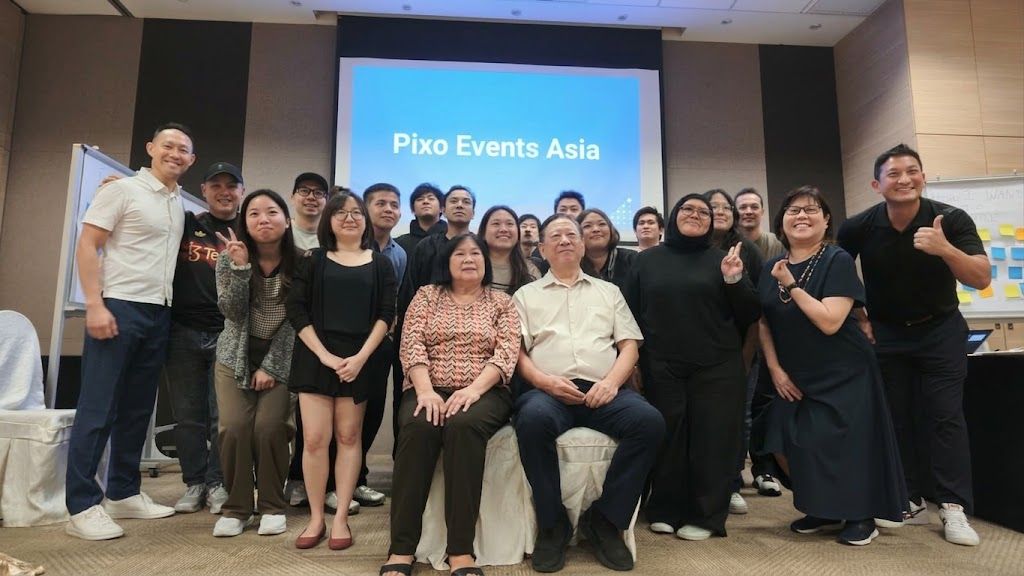
A practical conference workflow is to define objectives and governance, secure the date and venue, build the programme, launch registration and commercial workstreams, prepare delegates and operations, test critical systems, deliver the event and complete post-event reporting and close-out.
It depends on the conference size and complexity. Multi-day, international, association, scientific or exhibition-led conferences generally need more lead time than a smaller single-day event. Start by identifying fixed deadlines such as venue commitment, speaker availability, abstract deadlines and registration launch, then work backwards.
Typical expenses can include venue, catering, production, registration, speakers, travel, marketing, staffing, signage and supplier costs. Conferences may also have income from registration, sponsorship, exhibition or approved funding. Track forecast, committed and actual values separately.
A complete checklist should cover governance, budget, venue, programme, speakers, registration, delegates, sponsorship, exhibition, production, hybrid requirements, communications, rehearsals, onsite operations and post-event reporting.
Use one speaker tracker covering confirmation, session, biography, headshot, travel, presentation deadline, AV needs, arrival instructions, moderator briefing and rehearsal or technical checks where required.
No. Abstracts are relevant mainly to scientific, medical, academic and some professional conferences. Where abstracts are used, separate the administrative workflow from the authorised scientific or technical review process.
Create room-level plans for each track, including capacity, session schedule, speakers, moderators, presentation source, AV, technicians, room managers, signage and changeover. Maintain a central view so delays or changes can be coordinated across rooms.
Review programme, speakers, delegate numbers, rooms, presentations, badges, sponsors, exhibitors, catering, accessibility, AV, hybrid systems, staffing, signage, run-of-show, escalation contacts and critical rehearsals. Any unresolved item needs a named owner and deadline.
A PCO manages specialist conference workstreams such as project planning, registration, delegates, speakers, sponsors, exhibition, programme coordination, venue operations, production, hybrid delivery and post-event reporting, depending on the agreed scope.
The earlier conference workstreams are connected, the easier it is to manage deadlines, avoid duplicated decisions and reach event week with fewer unresolved dependencies.
If you are planning a business conference, association meeting, medical congress, professional conference or hybrid programme in Singapore, PIXO can help structure the conference lifecycle from planning and registration through production and onsite delivery.
Share your conference objective, expected delegate profile, preferred date, programme format, venue status and key requirements. Our team can help define the right scope and planning structure.